
Common Traps a New Player Meets When Coming to Online Casinos
Online casinos are easy to access:
They are visually polished and full of offers that appear generous at first glance. For new players, the challenge is rarely finding a game to try; it is recognising where the terms, spending habits, and expectations can work against them.
A careful approach starts before making a deposit.
Players should treat online casino entertainment as a paid activity with uncertain results, not as an income source or a way to recover money already lost. Setting a fixed budget, playing only when clear-headed, and choosing a properly regulated operator create a far safer starting point.
Bonuses That Cost More Than Expected
Welcome packages, free spins, reload offers, and cashback deals can be useful, but they are also one of the most common areas of confusion. A headline such as “100% bonus” does not mean the money can immediately be withdrawn. In many cases, a player must meet wagering requirements, follow game restrictions, and respect a deadline before any bonus-related winnings become eligible for cash-out.
Before claiming a promotion, review an independent page that explains a casino’s offer, payment options, and conditions, such as https://pl.polskiesloty.com/vulkan-bet/ by Polskie Sloty, explaining the details behind FS (Vulcan Bet) Casino. The key is to look beyond the advertised amount and check the details that affect the real value of the deal.
Pay attention to these conditions:
- Wagering requirement: A 35x requirement on a £50 bonus means placing £1,750 worth of bets before withdrawal may be possible.
- Contribution rates: Slots may count fully toward wagering, while roulette, blackjack, live tables, or certain games may count only partly or not at all.
- Maximum bet rule: A bonus can be cancelled if the player exceeds the permitted stake per spin or hand.
- Expiry period: Some promotions must be used and wagered within a few days.
- Maximum withdrawal: Free-spin or no-deposit bonuses may cap the amount that can be withdrawn.
- Payment exclusions: Certain deposit methods may not qualify for a promotion.
Misunderstanding Odds and RTP
Another major trap is assuming that a recent win, a sequence of losses, or a game’s advertised return-to-player figure can predict the next result. Casino games use random outcomes. A slot that has not paid for many spins is not “due” to pay, and a recent winner is not guaranteed to keep winning.
RTP, or return to player, is often misunderstood. It represents a theoretical long-term return across a very large number of rounds, not a promise for an individual session. A game with a 96% RTP does not return exactly £96 from every £100 played. Short-term results can vary dramatically, including losing the entire session budget.
Volatility matters too.
High-volatility slots can produce long quiet periods followed by infrequent larger wins, while low-volatility titles tend to deliver smaller and more regular returns. Neither format removes the house edge. Players should use RTP and volatility as information about game design, not as a strategy for beating chance.
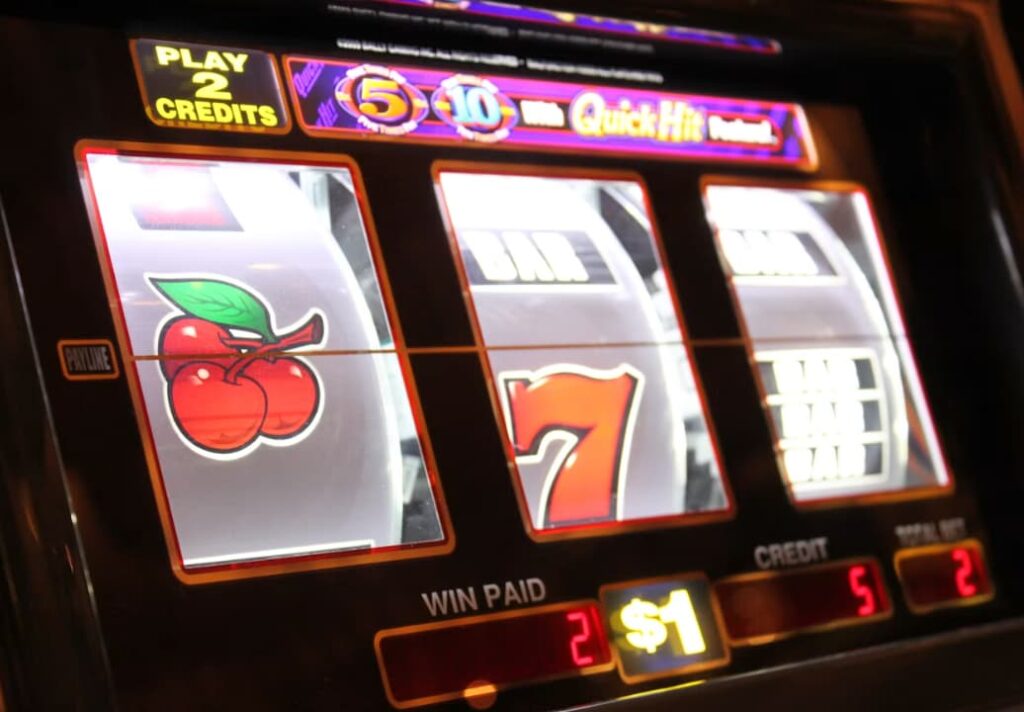
Chasing Losses and Losing Track of Spend
Chasing losses is one of the fastest ways for a casual session to become expensive. It often begins with a simple thought: “One more deposit will put me back where I started.” In reality, each wager is independent. Increasing stakes after losing does not improve the odds or repair an earlier result.
Online play can make spending especially easy to overlook. Deposits are processed quickly, games move at high speed, and mobile access removes the natural breaks that might exist in a physical venue. A player can lose track of both time and money without noticing the pattern.
Use practical controls before you begin:
- Decide your maximum spend for the session and never add to it.
- Set deposit, loss, wagering, or session-time limits in the casino account where available.
- Avoid gambling after drinking alcohol, during financial stress, or when trying to change your mood.
- Take breaks rather than moving immediately from one game or casino to another.
- Keep a simple record of deposits and withdrawals instead of judging results by memory.
- Use time-out or self-exclusion tools if control starts to feel difficult.
GamCare recommends monitoring gambling frequency and time spent, setting spending limits, taking time-outs, reading terms, and using licensed sites.
Ignoring Security and Withdrawal Rules
New players sometimes focus entirely on games and promotions while overlooking whether a casino is suitable in the first place. A legitimate-looking website is not automatically a trustworthy one. Before registering, check the operator’s licensing information, responsible gambling tools, privacy policy, customer support channels, and payment terms.
Withdrawal policies deserve special attention. Verification checks are normal at regulated casinos, particularly before a first withdrawal. Players may need to provide proof of identity, address, or payment ownership. Problems often arise when people deposit before confirming accepted payment methods, minimum withdrawal amounts, processing times, account-verification requirements, and possible fees.
Never use another person’s card, account, or identity to fund a casino profile. It can breach the site’s terms, complicate verification, and delay or prevent a withdrawal. The safest route is simple: use your own verified payment method, complete account checks early, and retain copies of deposit and withdrawal confirmations.
Play With Clear Boundaries
The most confident new player is not the one who takes the biggest risks. It is the one who understands the offer, accepts that every outcome is uncertain, and knows when the entertainment budget has been spent. Read the rules, protect your personal data, keep gambling separate from essential finances, and walk away without trying to turn a loss into a recovery mission.